Salalah has long been one of Oman’s most recognisable leisure destinations, known for its Khareef season, dramatic landscapes and coastal setting.
For international buyers, tourism has for the longest time been Salalah’s most appealing aspect, but recent developments in the local government’s future plans for the city are adding layers of depth to the value proposition. Combining this with the recent changes to Oman’s residency law makes owning property in Salalah now an opportunity that should be taken very seriously.
A new wave of freehold opportunities within qualifying developments combined with the recent changes to local residency laws, established strong seasonal visitor demand, and long-term investment in infrastructure are giving Salalah a broader property story.
This article explores what you should know about Salalah, including lifestyle and tourism, freehold ownership, residency, and the city’s longer-term growth outlook.
Why Salalah?
Salalah is one of Oman’s, and the broader GCCs most distinctive property markets for people looking to buy luxury real estate in the middle east.
Known for the Khareef (monsoon) season which dramatically transforms Salalah and its surrounding areas into a cool weather misty vibrant paradise during the months of June to September, this drastic contrast in weather and scenery draws in tourists from the GCC and other parts of Oman to the region on a yearly basis, it also makes Salalah the perfect summer home destination for those looking to escape the heat and experience the serenity of nature.
Salalah also offers freehold property within Integrated Tourism Complex (ITC) developments, giving buyers of all nationalities the opportunity to own property in the GCCs most distinct destination.
Salalah combines major seasonal tourism demand with waterfront communities, an international airport, a globally connected freezone and port, and a long-term urban plan focused on strengthening its year-round economic activity.
That creates several ways to approach the market: as a home in Oman, second residence, holiday property, or investment.
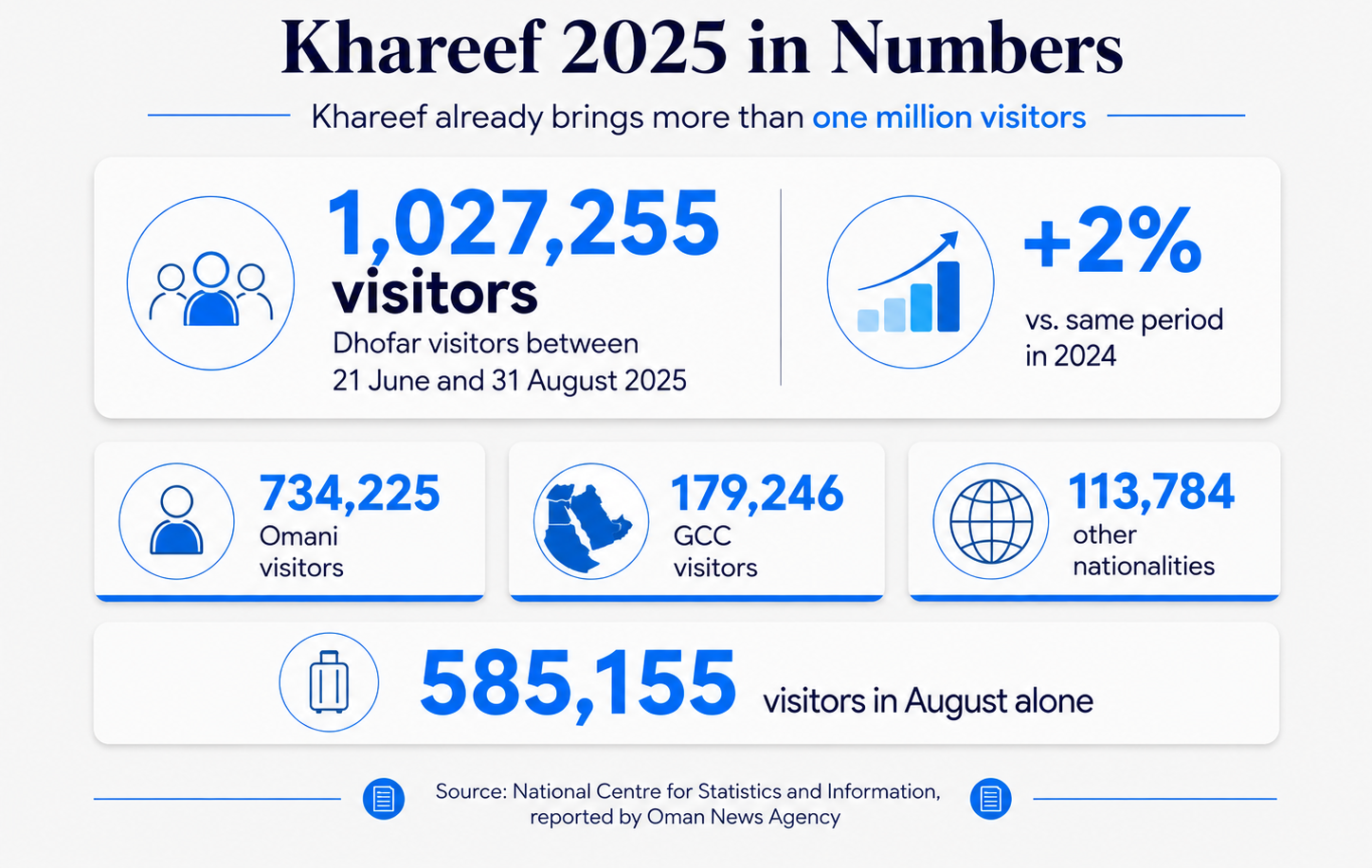
Khareef already brings more than one million visitors
Khareef season is one of Salalah’s strongest demand drivers.
According to the Oman News Agency, citing preliminary figures from the National Centre for Statistics and Information, Dhofar welcomed 1,027,255 visitors between 21 June and 31 August 2025, up 2% from the same period in 2024. Of the total, 734,225 visitors were Omani, 179,246 came from other GCC countries, 113,784 came from other nationalities. August was particularly active, with 585,155 visitors arriving during the month, according to Oman News Agency.
For international buyers and investors, these figures show the scale of Salalah’s seasonal visitor economy and the accommodation demand created during Khareef.
Khareef gives Salalah a distinctive seasonal demand cycle, adding a strong tourism angle for those considering owning a holiday house or buying a house to use for short term rentals.
Salalah’s natural variety, a lifestyle and investment catalyst
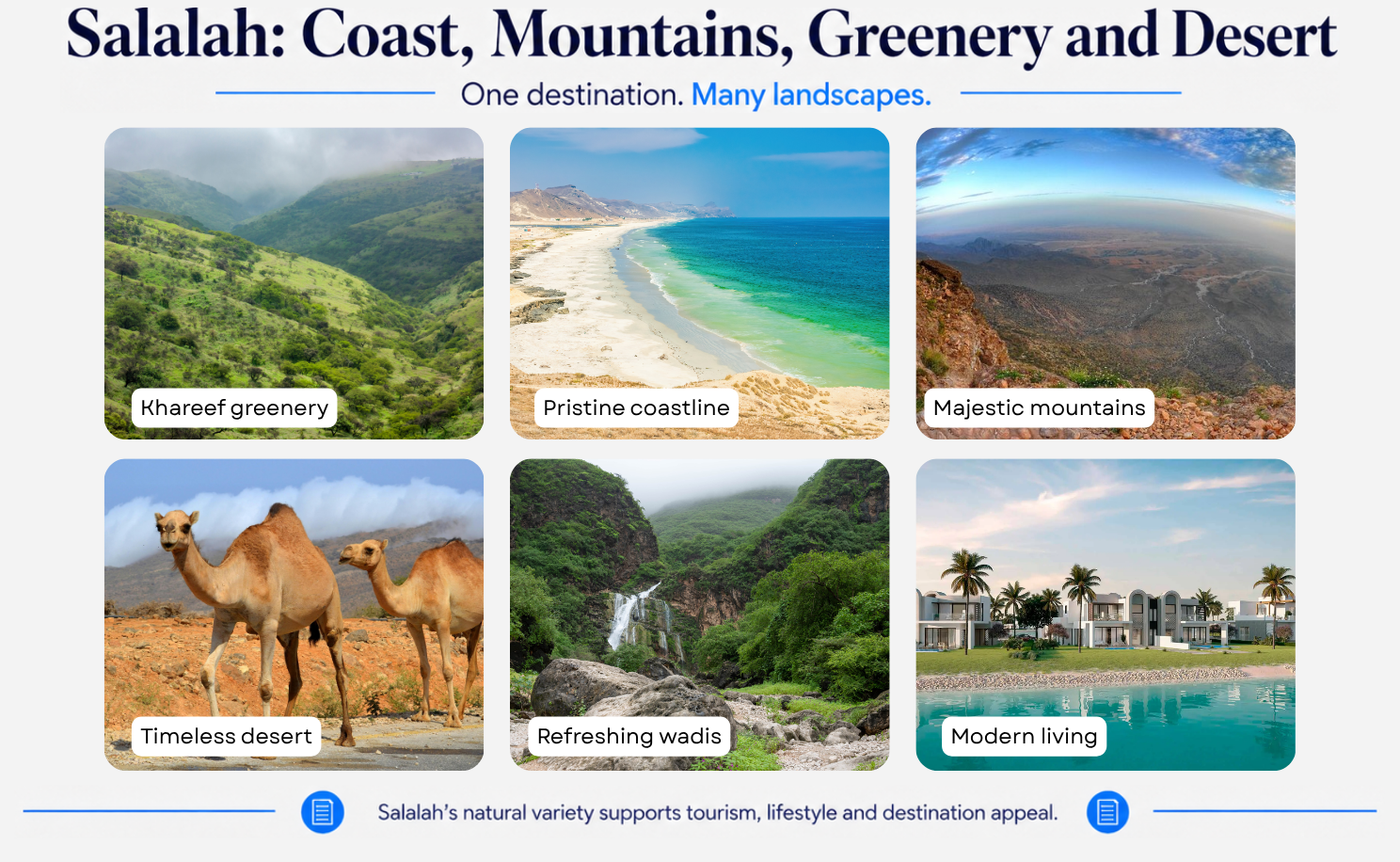
One of Salalah’s biggest strengths is its natural variety.
Few destinations in the region combine so many different landscapes within one area. Dhofar brings together green Khareef landscapes, mountains, rugged coastline, soft sandy beaches, flowing wadis, water springs, waterfalls, dramatic plateaus, agricultural areas, urban centers, and soft sand desert scenery.
The Greater Salalah Structure Plan, as reported by the Oman Observer, identifies heritage, the coast, mountains, agriculture, nature, and events as important foundations for expanding tourism beyond the traditional Khareef season.
For property buyers, that gives Salalah a broader lifestyle proposition than a destination built around one attraction alone.
What Khareef can mean for property demand
Tourism is relevant to real estate because visitors need places to stay. Hotels absorb a large share of this demand, but resort communities, holiday homes, and professionally managed residences form a large part of Salalah’s accommodation market.
For buyers considering holiday or short-term rental use, Khareef creates a particular period of extreme demand.
Property type and location help shape that opportunity. A waterfront chalet within a resort destination may appeal to a different guest profile from an apartment elsewhere in the city, while villas may suit families or longer stays.
Good to know: Khareef creates a strong seasonal peak, while Salalah’s wider tourism and lifestyle story gives international buyers additional reasons to consider the market across the year.
Salalah is being built to have a stronger year-round story
Khareef remains one of Salalah’s greatest advantages, but the city’s long-term development strategy is increasingly focused on activity throughout the year.
The Greater Salalah Structure Plan calls for tourism to expand through heritage, coastline, mountains, agriculture, nature, and events. It also places tourism alongside logistics, manufacturing, agriculture, business services, education, healthcare, retail, and knowledge-based activity.
That broader economic mix matters for property because a city supported by residents, workers, businesses and tourists has a more diverse demand base.
The longer-term vision is therefore not simply about attracting more visitors. It is about connecting tourism more closely with Salalah’s wider economy.
Connectivity supports the destination
Salalah benefits from both air and road access.
By the end of August 2025, 251,064 Khareef visitors had arrived by air, while 776,191 arrived by land, according to the Oman News Agency.
That gives Salalah access to two important visitor markets: regional travellers who can reach Dhofar by road and travellers arriving from farther away by air.
Salalah’s economy, bigger than tourism
Salalah also plays an important role in Oman’s logistics and trade economy.
According to the Port of Salalah, the Container Terminal handled 4.3 million TEUs in 2025, up from 3.3 million in 2024, representing 31% year-on-year growth. General cargo also reached approximately 26.4 million tonnes, up 17% from the previous year.
The Greater Salalah Structure Plan also looks at stronger integration between the port, Salalah Free Zone, airport, employment areas and future development districts.
Together, these assets give Salalah an economic role that continues throughout the year alongside its tourism sector.
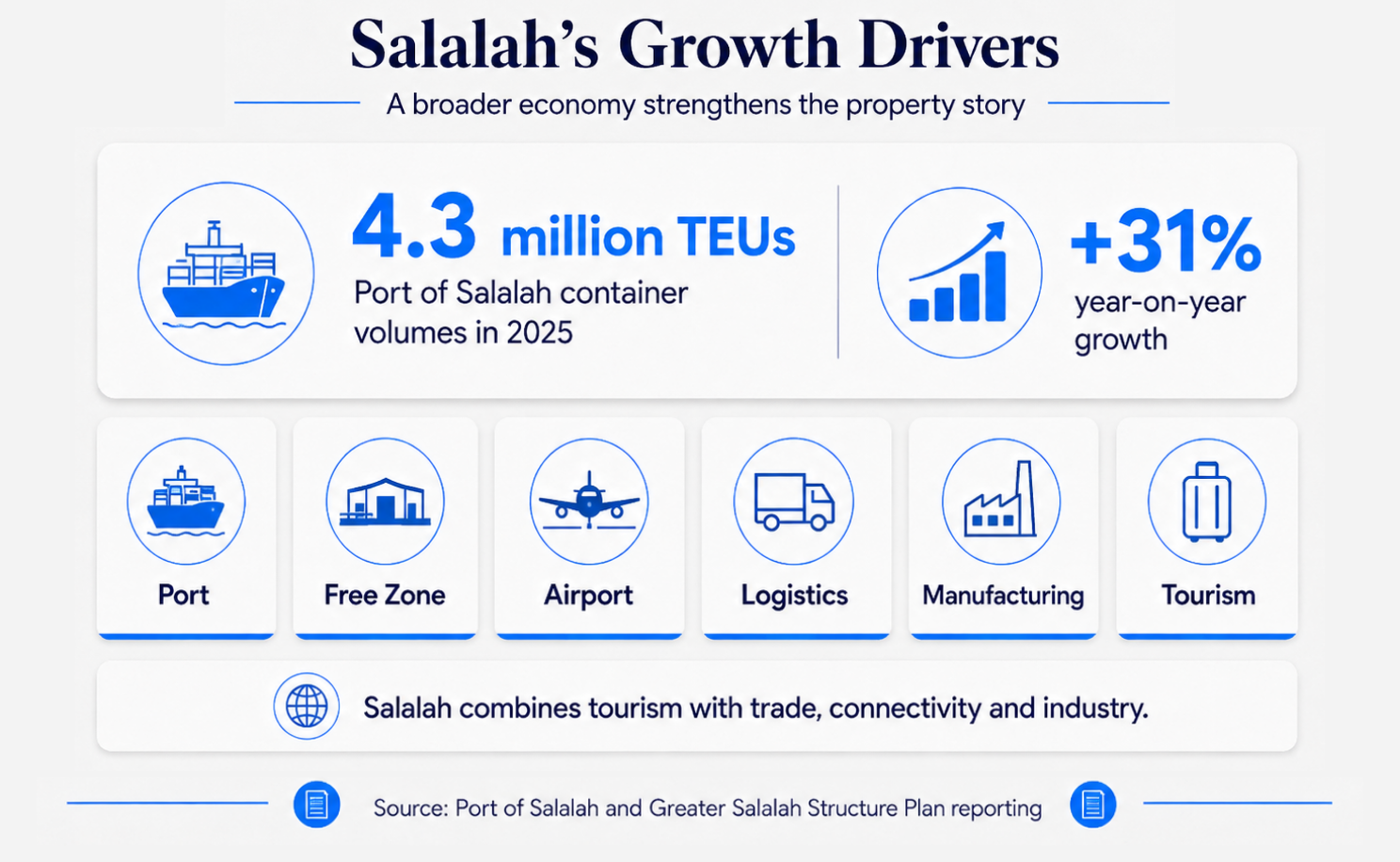
Why this matters for property: Salalah’s logistics, trade and tourism sectors create multiple sources of activity within the city, strengthening its position as more than a seasonal destination.
A city planning for long-term growth
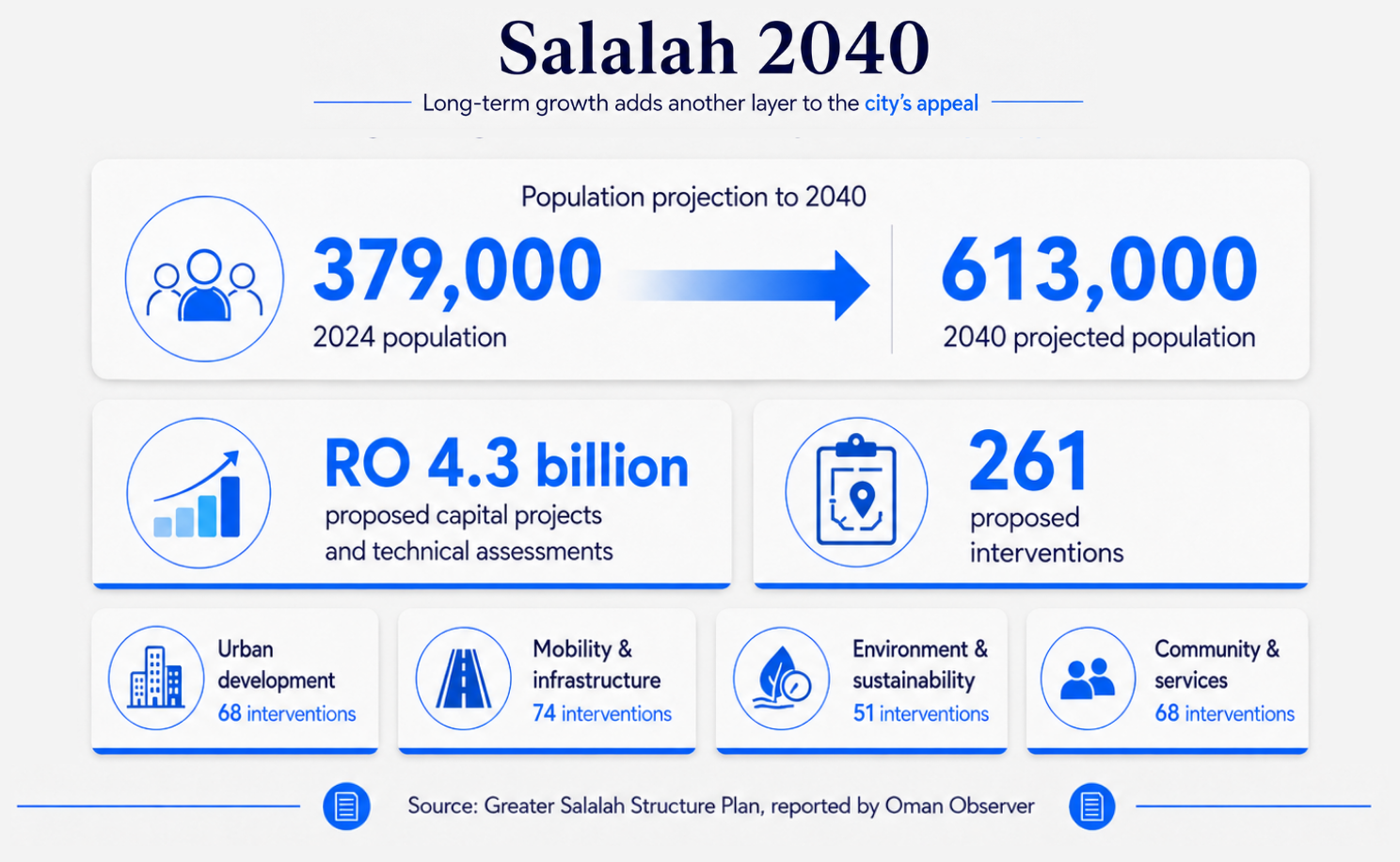
According to the Oman Observer’s coverage of the Greater Salalah Structure Plan, Greater Salalah’s population is projected to increase from approximately 379,000 to around 613,000 by 2040.
The framework estimates that its proposed capital projects and technical assessments could require around RO 4.3 billion through 2040, covering 261 proposed interventions.
The direction in which the city is aimed to develop is clear: nearly double the population, stronger infrastructure, and create a more integrated, year round urban economy.
Nature is also part of Salalah’s long-term planning
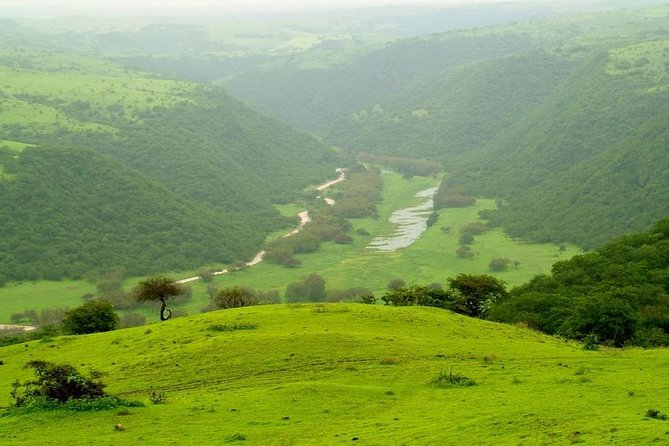
Salalah’s natural environment is not only important for tourism. The Greater Salalah Structure Plan also treats agricultural land, wadis, khawrs, coastline, beaches and green spaces as important parts of the city’s future development and quality of life.
For international buyers, that reinforces one of Salalah’s most distinctive property advantages: the surrounding environment is part of the lifestyle proposition itself. A home close to the coast, lagoons, natural scenery or resort amenities offers a very different experience from a conventional urban property.
Freehold ownership in Salalah
Under Oman’s Real Estate Ownership Act for Integrated Tourism Complexes, qualifying developments allow non-Omani buyers to own property for accommodation or investment purposes, subject to the applicable rules and conditions.
Oman’s official property-owner residence visa allows owners of residential units within Integrated Tourism Complexes and their 1st degree family members to obtain a residence visa with a renewable validity period of two years, subject to the applicable requirements.
For qualifying investors, Oman’s Golden Residency programme offers 10-year residency, with ownership of property in tourism zones listed as one of the qualifying pathways.
Property communities to explore with Aqaro
For international buyers looking at Salalah, resort-style communities provide a natural entry point into the market.
Rather than purchasing only the home itself, buyers can choose a property within a wider destination that combines waterfront settings, leisure amenities and established tourism infrastructure.
Aqaro currently promotes two property opportunities in Amazi and Lubana at Hawana Salalah.
Both offer access to the wider destination while providing different residential settings.
Both projects are eligible for 100% ownership for all nationalities and family residency.
Amazi at Hawana Salalah
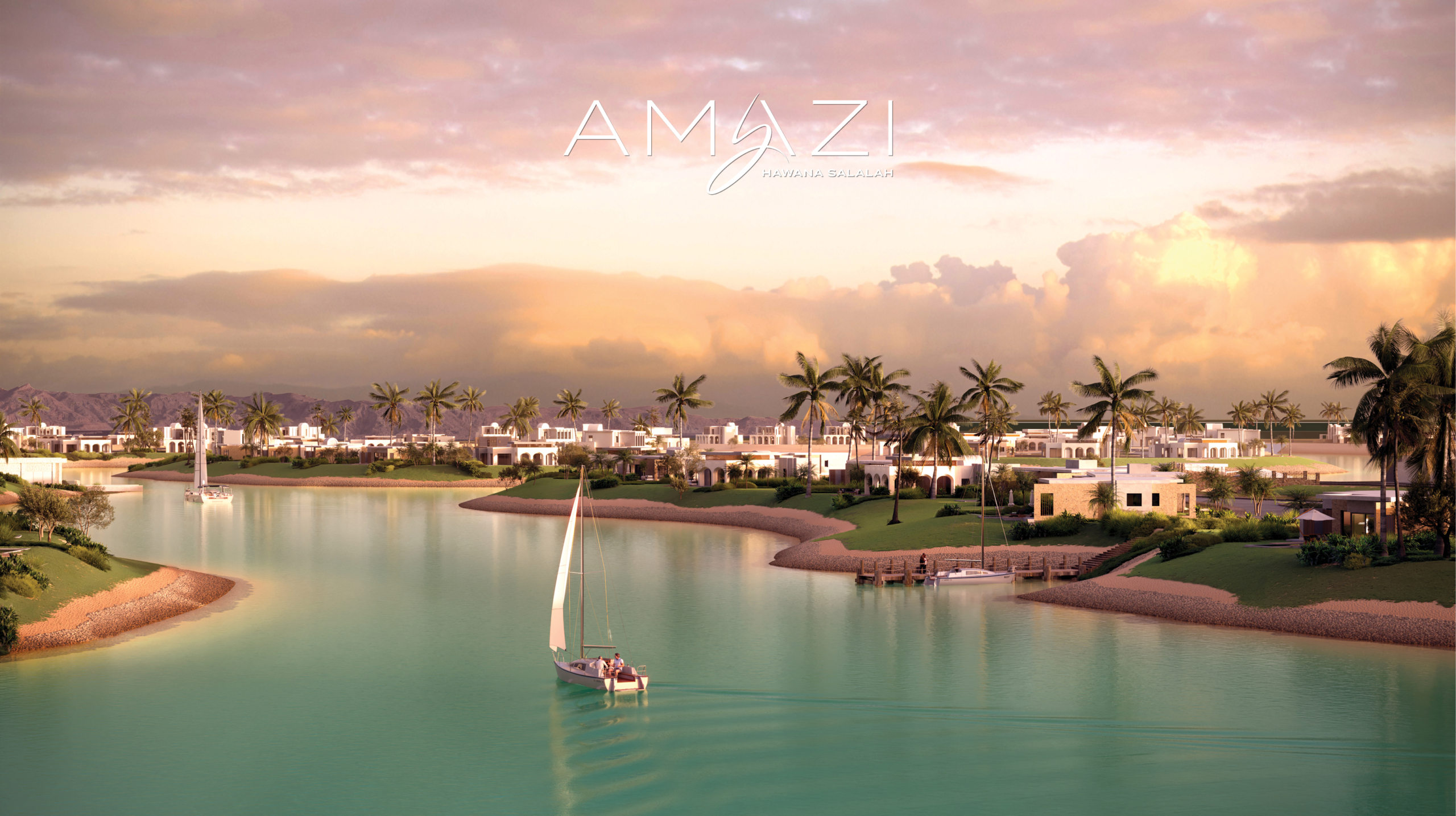
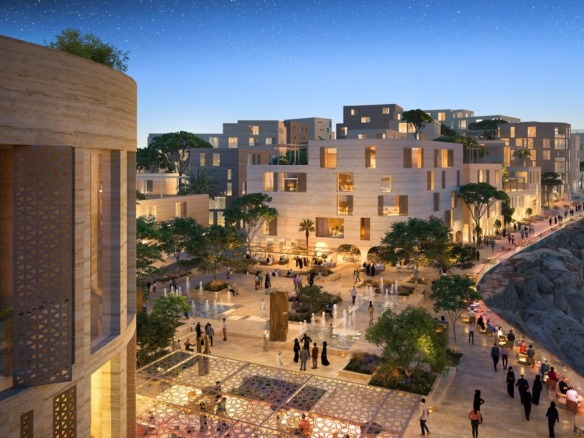
Amazi is a waterfront community within Hawana Salalah, designed around coastal and resort-style living.
Amazi Hawana Salalah offers waterfront homes with access to beaches and lagoons, together with amenities including a Beach Club, Wellness Centre, Entertainment Centre and Water Sports Centre.
Amazi brings together property ownership with the wider Hawana Salalah lifestyle, making it relevant for buyers looking for a home in Salalah, second residence, holiday property or investment.
Click here to explore the available options at Amazi, offered through Aqaro.
Lubana at Hawana Salalah
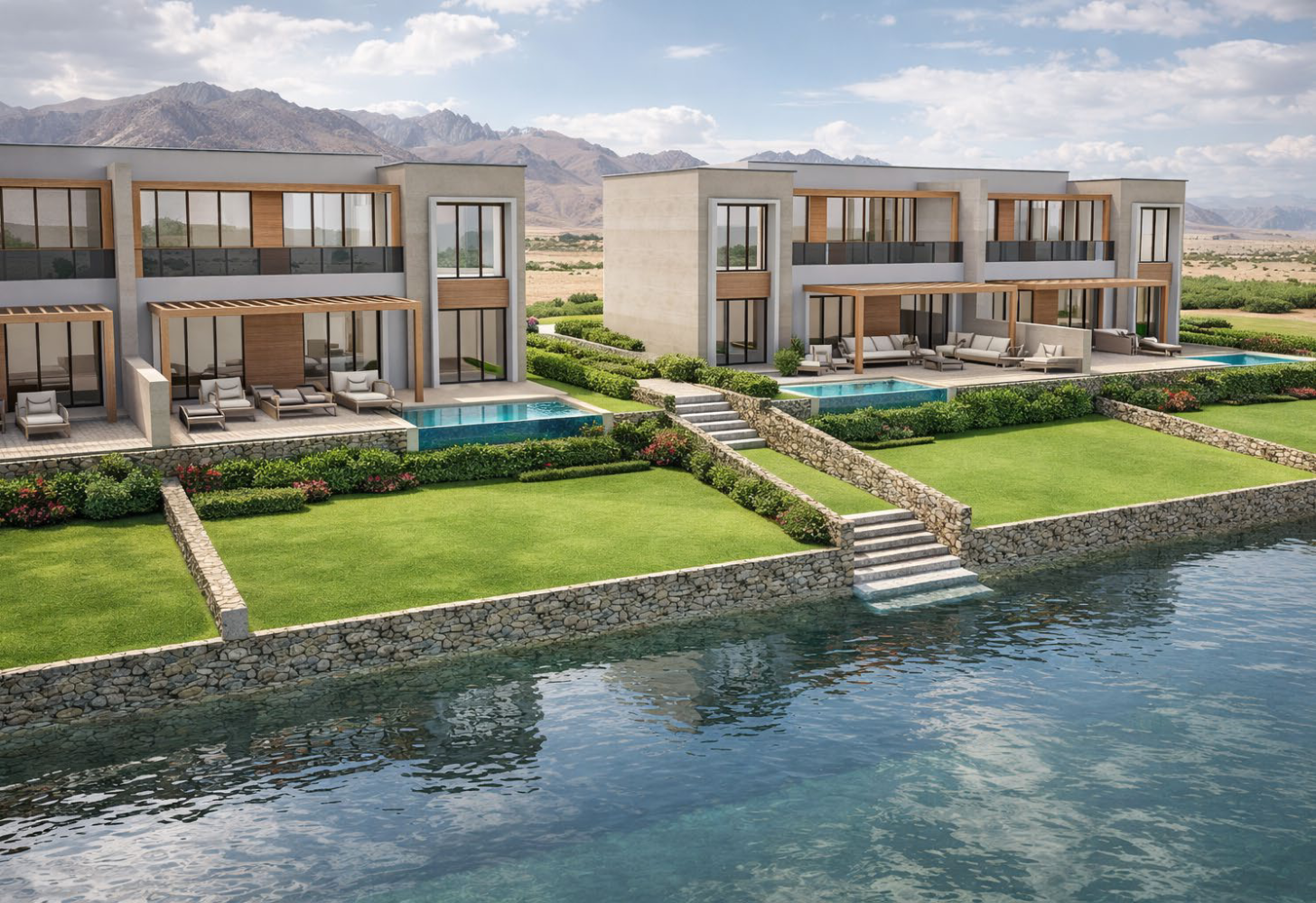
Lubana offers another waterfront property opportunity within Hawana Salalah, giving a different residential setting within the wider destination.
It provides another option for those looking for a home in Salalah, second residence, lifestyle property or investment.
Click here to explore the available options at Lubana, offered through Aqaro.
Choosing between Amazi and Lubana
Both communities give international buyers access to Salalah’s waterfront lifestyle, but the right choice depends on how the property will be used.
Property type: Compare the available chalets, villas and other homes
Intended use: Personal residence, second home, holiday property or investment
Budget: Review current prices, unit sizes and payment plans
Lifestyle: Consider which setting and amenities best suit how you intend to use the property
The case for buying a home or investing in property in Salalah
Salalah’s property story is supported by several factors working together.
The destination welcomes more than one million visitors during Khareef.
It offers an unusual combination of coastline, mountains, greenery, wadis and desert landscapes.
Its economy is supported by tourism as well as the Port of Salalah, airport, free zone and logistics sector.
Its long-term urban framework plans for a larger population and more diversified economic activity through 2040.
And for foreign buyers, qualifying developments add the opportunity for freehold ownership, property-owner residency and potential access to Oman’s Golden Residency framework.
For lifestyle buyers, that can mean owning a property in one of Oman’s most distinctive destinations.
For second-home buyers, Salalah combines resort living, nature, and a seasonal escape.
And for buyers focused on investment, tourism demand, waterfront communities and freehold ownership create several property strategies to explore.
Explore Salalah Property Opportunities with Aqaro
At Aqaro, we help buyers and investors explore freehold property in Oman, including Salalah.
We provide guidance on ownership, residency options, payment plans, financing, and available properties.